Global Oil Prices Slide Under $100 as Saudi Pipeline Nears Reopening
Oil fell below $100 a barrel as investors bet a damaged Saudi pipeline could soon resume flows to world markets.
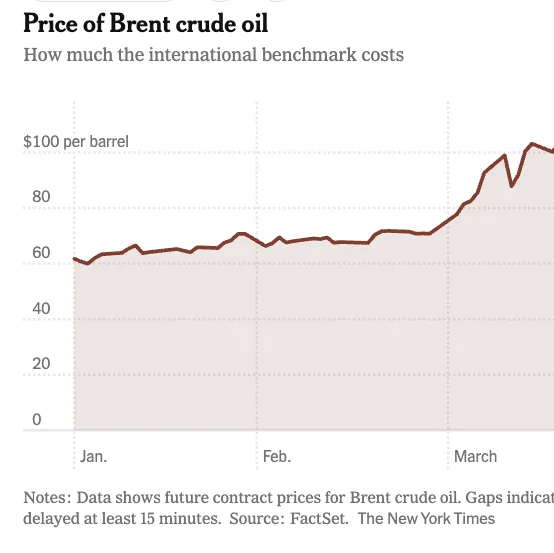
Global oil prices dropped below $100 a barrel as investors anticipated the potential reopening of a damaged Saudi Arabian pipeline, a development that could significantly increase the supply of crude reaching international markets.
The anticipated resumption of pipeline operations fueled expectations of eased supply constraints that had kept oil prices elevated. Market participants moved quickly to price in the prospect of additional Saudi crude entering the global supply chain, pushing benchmark prices lower.
Read more Kalshi Seeks CFTC Approval for Margin Trading on Prediction Markets →
Saudi Arabia is one of the world's largest oil producers, and disruptions to its export infrastructure can have outsized effects on global energy markets. Any restoration of damaged pipeline capacity would represent a meaningful shift in the near-term supply outlook, analysts noted.
The drop below the $100 threshold carries psychological weight for traders and consumers alike, as triple-digit oil prices have historically been associated with broader inflationary pressure on fuel and goods. A sustained decline could offer some relief to economies grappling with elevated energy costs.
Continue reading at NYT > Business